
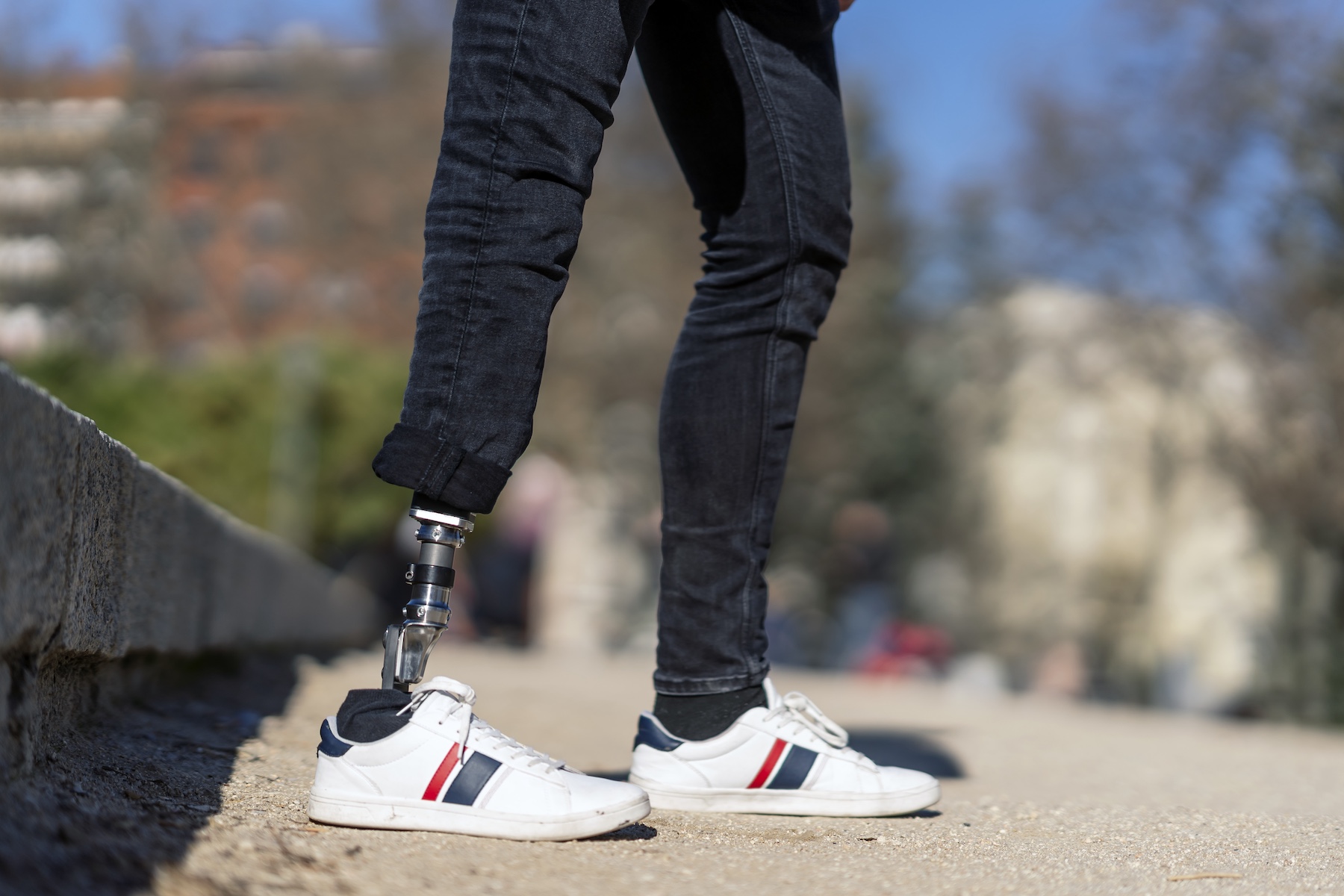
Does your socket fit one way at seven in the morning and feel like a different device entirely by three in the afternoon? You’re not imagining it, and you aren’t doing anything wrong. Florida summer puts a specific kind of pressure on prosthesis wearers that people in cooler states rarely have to think about.
Heat and humidity change how a residual limb behaves hour to hour, and a socket that was dialed in perfectly during a February appointment can start pistoning, slipping, or rubbing once the temperature climbs and stays there for four straight months. The good news is that almost all of it’s manageable once you understand what’s actually happening inside the socket — and once you stop treating summer discomfort as something you have to quietly tolerate until October.
Why Florida Heat Changes the Way Your Socket Fits
Two things happen to a residual limb in high heat, and they pull in opposite directions.
The first is swelling. Warmth causes blood vessels near the skin to dilate, and standing or walking in heat encourages fluid to settle in the limb. Early in the day, that can make a socket feel tighter than usual.
The second is fluid loss. Over a long, hot day, sweating and general dehydration reduce limb volume. That’s why so many wearers describe a socket that feels snug at breakfast and loose by dinner. The limb genuinely changed size between those two points.
Humidity compounds both. In a drier climate, sweat evaporates and the skin cools. In Florida, the air’s already saturated, so sweat has nowhere to go. It pools between the skin and the liner instead.
That trapped moisture is the real culprit behind most summer fit complaints. Suspension in a modern socket depends on consistent contact — a seal, friction against the liner, or a locking mechanism holding a stable position. Add a slick layer of sweat and that contact becomes inconsistent. The socket moves against the limb instead of with it. Wearers feel it as pistoning, as a slipping sensation on stairs, or as a hot spot that appears somewhere that never bothered them before.
None of this means your socket was made incorrectly. It means the limb inside it’s working in conditions it wasn’t fit in.
Managing Sweat, Liners, and Skin Irritation in Humid Weather
Sweat management is where most summer comfort is won or lost.
Start with the liner itself. A liner worn all day in Florida humidity is holding moisture, skin cells, and whatever residue it picked up along the way. Washing it daily with a mild, fragrance-free soap and letting it dry completely before the next wear matters more in July than it does in January. A damp liner donned in the morning is a problem waiting to happen.
Owning more than one liner, where your coverage allows, gives you a real rotation instead of a rushed overnight dry. Ask your prosthetist whether a second liner is something your plan will consider — it’s a reasonable request to raise, not a luxury.
Moisture-wicking prosthetic sheaths and socks help by moving sweat away from the skin rather than letting it sit. Some wearers also use antiperspirant products on the residual limb. That can be effective, but formulations vary and skin on a residual limb is under mechanical stress that skin elsewhere isn’t. Bring it up with your prosthetist before you start rather than experimenting on your own.
Watch for what heat and friction produce together: redness that doesn’t fade within twenty minutes of doffing, small raised bumps around hair follicles, blistering, or any area that becomes warm, tender, or begins to weep. Those are reasons to call your clinic, not reasons to add another sock and push through the week.
Daily Habits That Protect Socket Fit From June to September
Small routines carry most of the weight here.
Don your prosthesis on clean, fully dry skin. Applying a liner over damp skin, or over lotion that hasn’t absorbed, traps moisture from the very first hour of the day.
Build a midday reset into your schedule. Fifteen minutes somewhere private to doff, wipe down the limb and the inside of the liner with a clean cloth, let both air out, and re-don makes an enormous difference by evening. Wearers who do this consistently report far fewer late-day fit complaints than those who go twelve hours straight.
Learn your sock ply pattern instead of guessing at it. If you know you typically move from one ply in the morning to two or three by late afternoon, that’s useful information — bring it to your next appointment. It tells your prosthetist something a single in-clinic measurement can’t.
Keep spares with you. A dry liner, extra socks, and a clean cloth in a bag cover most bad days. Don’t store them in a parked car, though: Florida interior temperatures can climb high enough to degrade liner materials over a season.
Shift demanding activity toward early morning or evening where your schedule allows, and drink water steadily rather than in bursts. Hydration won’t eliminate volume change, but dramatic swings are harder on fit than gradual ones.
Finally, inspect your skin every single night in good light. Thirty seconds. It’s the cheapest problem-prevention available to you.
Frequently Asked Questions
Why does my prosthetic socket feel looser in the afternoon during summer?
Because your limb’s smaller than it was that morning. Heat and sustained sweating pull fluid out of the residual limb over the course of a day, and Florida humidity keeps you sweating longer than a drier climate would. Adding a sock ply as the day goes on is a normal, expected adjustment. If you’re adding three or more plies to feel secure, or if the looseness arrives much earlier than it used to, that’s worth an appointment rather than a workaround.
Can sweat inside my liner cause a skin infection?
Trapped moisture combined with friction and warmth creates conditions where skin problems become more likely — irritation, folliculitis, and breakdown in areas already under pressure. Daily liner cleaning, complete drying before re-donning, and a nightly skin check substantially reduce that risk. If you see an area that stays red, becomes painful or warm, opens, or produces drainage, contact your prosthetist and your physician promptly. Skin issues on a residual limb are far easier to resolve early than after a week of pushing through.
How often should a prosthetist check my socket fit during hot months?
There’s no single number that fits every wearer — it depends on how long you’ve had the device, how much your limb volume moves, and how active you are. What matters more than the interval is calling when something changes. If you’re managing summer with noticeably more socks than in spring, feeling movement inside the socket, or seeing skin marks that weren’t there before, call. A same-week adjustment is a short visit. The problems that develop from waiting aren’t.
Staying Comfortable Through Florida’s Longest Season
Summer here isn’t really a season so much as a stretch of the calendar you plan around. Your socket was fit to a limb, and that limb behaves differently in August than it did in the spring — which is a fitting question, not a failure. Wearers who stay comfortable through it are the ones who clean and rotate liners without fail, build in a midday reset, watch their skin closely, and call their clinic at the first real sign of trouble instead of the third week of it. OPC Centers has clinics across Florida, North Carolina, and South Carolina, and getting seen for a fit concern doesn’t need to wait for your next scheduled visit.